
What Makes an Effective Coach?
Great coaching goes far beyond giving feedback or offering quick fixes—it’s about fostering growth, igniting potential, and walking alongside educators as they refine their practice. An effective coach is more than a guide; they are a servant leader, committed to empowering others through humility, service, and support.
At the heart of impactful coaching lies strong relationships—built on trust, respect, and open communication. Coaches who take the time to truly listen, connect, and understand where a teacher is coming from can help create a safe space for vulnerability, risk-taking, and real change.
Reflection is another cornerstone of effective coaching. Great coaches model reflective thinking and help educators pause, assess, and learn from their practice in meaningful ways. They ask thought-provoking questions, encourage self-awareness, and support continuous growth over time.
Patience and persistence are essential. Change doesn’t happen overnight. Effective coaches embrace the process, recognizing that growth is often slow, nonlinear, and deeply personal. They celebrate small wins, remain flexible in their approach, and stay committed even when challenges arise.
The best coaches are also:
Empathetic, meeting teachers where they are without judgment
Knowledgeable, with a deep understanding of pedagogy and content
Collaborative, positioning themselves as partners, not evaluators
Vision-driven, always keeping student success at the center of the work
In short, effective coaching is grounded in connection, compassion, and a shared commitment to excellence. It’s about helping others grow while growing ourselves in the process.
Coaching Tools Bring the Work to Life
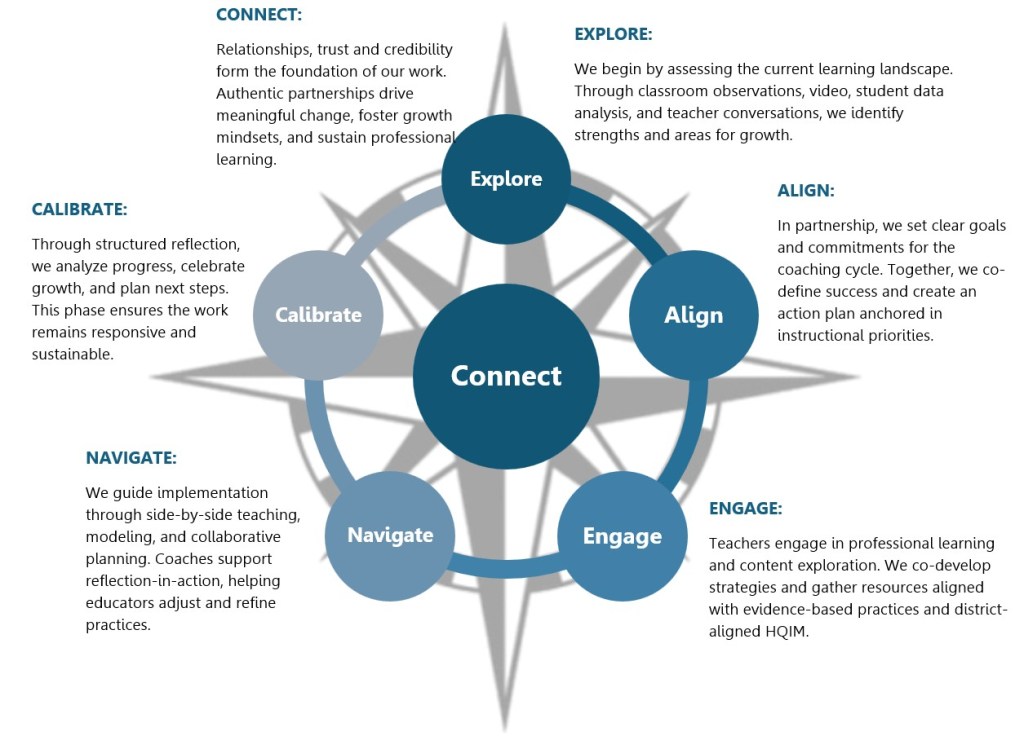
While mindset and relationships are foundational, effective coaching is also driven by tools that structure and support meaningful growth. These tools help coaches stay intentional, reflective, and impactful in their work.
Here are some essential tools that elevate the coaching experience:
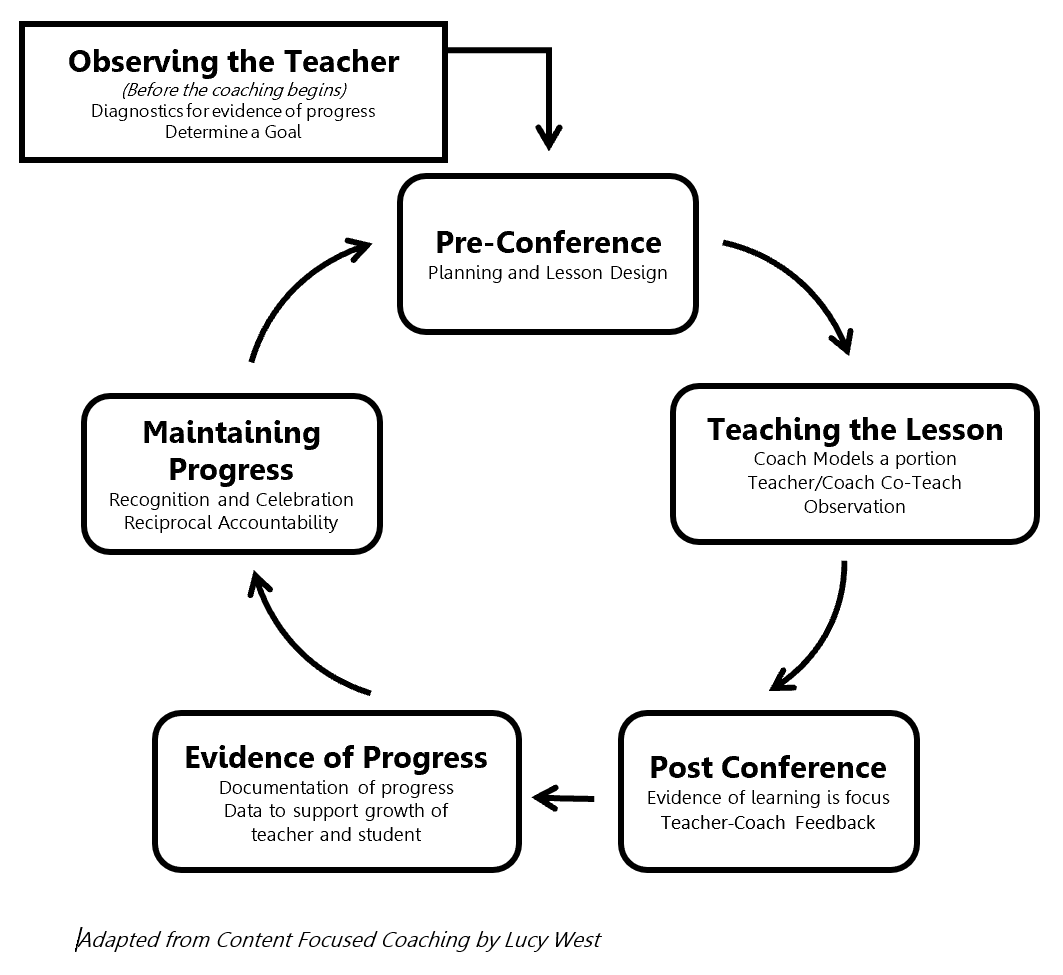
- Interview | Sample Questions to build relationships
- Teacher Interview | Specialist Interview | Principal Interview
- Build Trust
- Inital Observation
- Pre-Conference | Instruction | Post Conference
- Coaching Feedback Survey
- Assessment
- Continue Learning | Library
 Compass Teaching & Learning